About Refractory Material
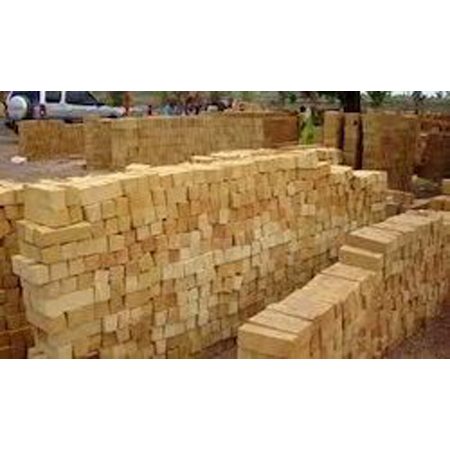
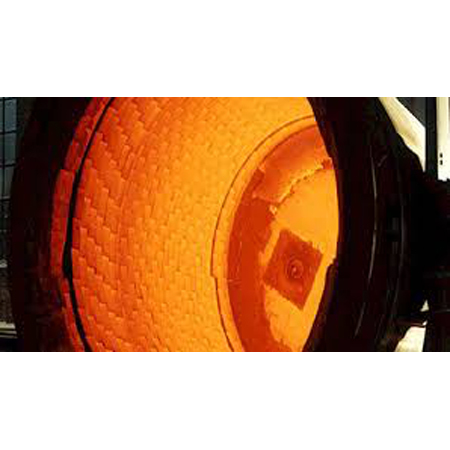
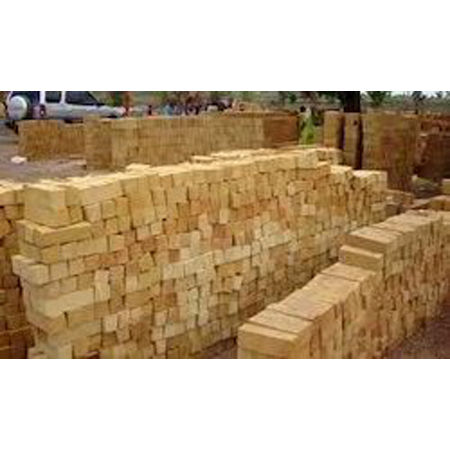
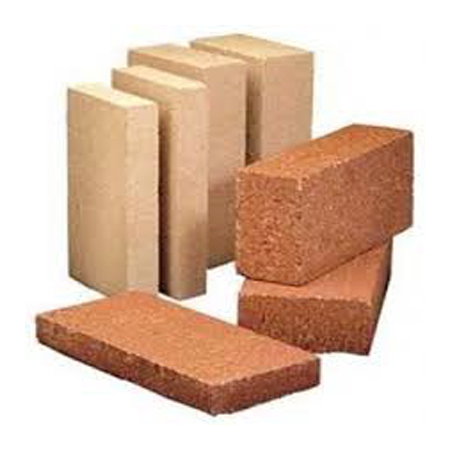
Refractory Material is non-metallic inorganic compound which is specially made to withstand excellent amount of heat without any structural wear & deformation. It is most commonly used for lining of industrial furnaces, incinerators, kilns, & reactors. This material can easily bear temperature above 1000 degrees Celsius and shows superior resistance to thermal shock and most chemicals. It also finds application in manufacturing of molds for casting glass & metal and for surfacing purpose. This product offered by us is known to show optimum thermal conductivity and coefficient of thermal expansion. It can be availed in different configurations at market leading rates for our respected customers.
Features :
- Our offered material is used for making moulds for the casting of metals, glasses etc
- It also find its application in furnaces, rectors, incinerators and kilns
- Possess excellent chemical as well as thermal shock resistance and is capable of tolerating high temperature
- It comes in different dimensions, thickness and shapes
Optimal High-Temperature InsulationOur refractory materials are specifically developed for use in environments with demanding thermal requirements, such as FBC boilers. With low thermal conductivity up to 1450C, they provide reliable insulation and energy efficiency. Whether shaped as bricks, castables, or mortars, each product demonstrates excellent resistance against alkali environments and abrasion, making them an ideal choice for prolonged industrial use.
Versatile Application and CustomizationWith the flexibility to supply in standard or customized sizes, our refractory materials can be tailored to meet the specific operational needs of your facility. Suitable for manual laying or casting, these materials fit various setup requirements for FBC boilers. Our expert team guides clients through selection, ensuring optimal performance and easy integration with existing systems.
FAQ's of Refractory Material:
Q: How are these refractory materials installed in FBC boilers?
A: These refractory materials can be installed manually either by laying bricks and mortars or by casting castables, depending on the specific area and application within the FBC boiler. This versatility allows for an efficient installation process suited to your operational needs.
Q: What makes this refractory material suitable for high-temperature insulation?
A: The material features low thermal conductivity and can withstand service temperatures up to 1450C, making it highly effective at insulating high-heat environments like FBC boilers. Its alkali and abrasion resistance further enhance durability and performance.
Q: When should I choose custom dimensions for refractory materials?
A: Custom dimensions are best selected when standard sizes do not fit your FBC boiler's requirements or if unique installation challenges exist. Custom sizing ensures a precise fit, maximizing insulation effectiveness and material longevity.
Q: Where can these refractory materials be used besides FBC boilers?
A: While designed primarily for FBC boilers, these refractory materials are suitable for any industrial environment requiring reliable high-temperature insulation, including furnaces, kilns, and incinerators.
Q: What is the process for supplying and exporting these refractory materials in India?
A: As an established dealer, exporter, manufacturer, supplier, and wholesaler, we handle the entire process from manufacturing to delivery. We serve clients across India, providing consultation, customization, and logistical support to ensure timely and safe delivery.
Q: What are the main benefits of using these refractory materials in industrial applications?
A: The key benefits include superior thermal resistance, durability, corrosion and abrasion resistance, and adaptability to various installation methods. These attributes contribute to enhanced operational efficiency and reduced maintenance costs.




 Send Inquiry


 Send Inquiry


 Send Inquiry
 Send SMS


 English
 Spanish
 French
 German
 Italian
 Chinese (Simplified)
 Japanese
 Korean
 Arabic
 Portuguese