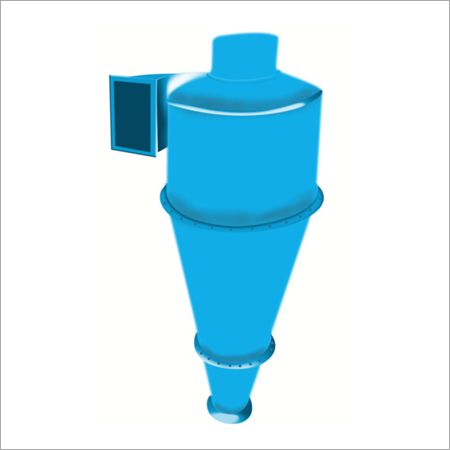
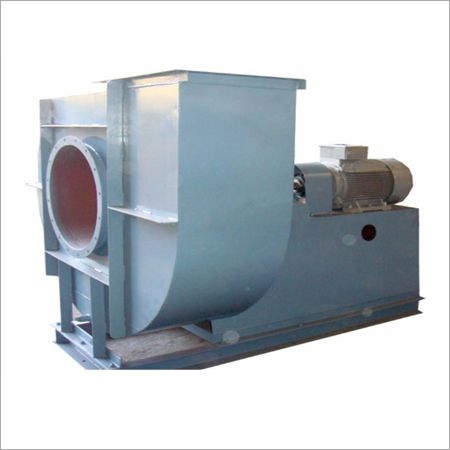
About Air Pollution Control System
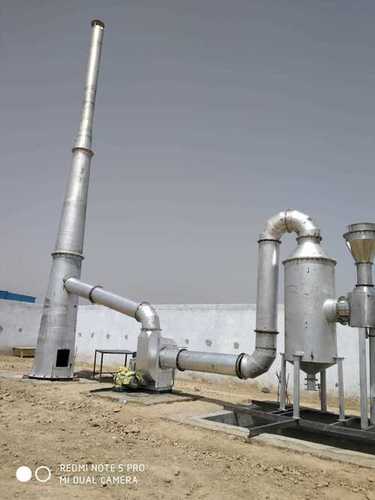
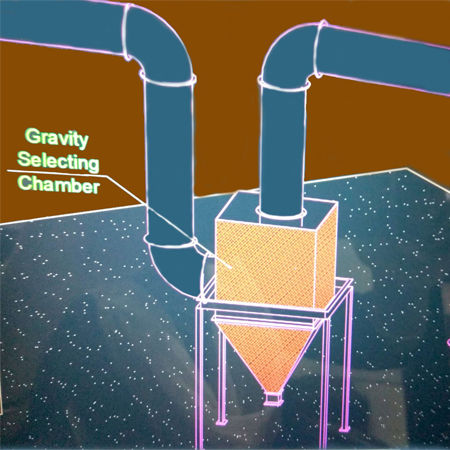
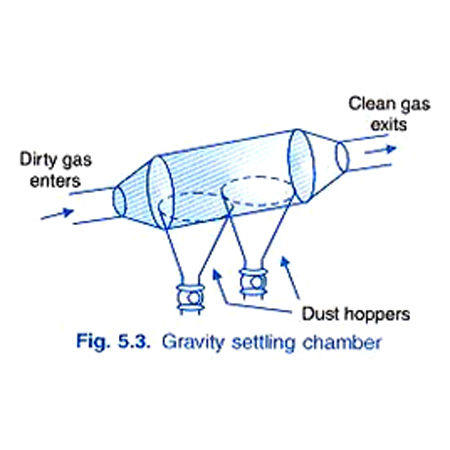
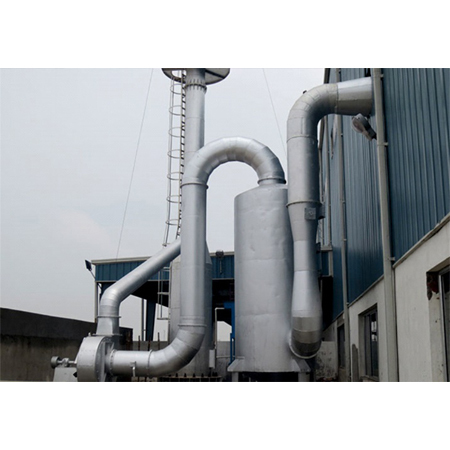
Since our establishment, we are highly engaged in offering of optimum quality Gravity Settling Chamber. Under the surveillance of adroit engineers, the offered settling chamber is precisely manufactured and fabricated using premium grade components and advanced technology as per the set industry standards. The provided settling chamber is rigorously examined on different parameters of quality. This product is appreciated for its minimum power consumption, user-friendly and minimal maintenance. In addition to this, we offer this product at pocket friendly rates to our precious patrons.
Superior Air Filtration for Industry StandardsThis air pollution control system is meticulously crafted for industries seeking reliable compliance with CPCB and international emission regulations. Its advanced wet scrubber technology efficiently targets particulates and gas contaminants, ensuring your operations remain within legal emission boundaries. With digital displays and gas analyzers, real-time monitoring is effortless, making the system a leader in emission management for steel plants, chemical factories, and power stations.
Low Maintenance, High DurabilityBenefit from a low-maintenance design with easy access panels and corrosion-resistant materials, ensuring extended service life of over 10 years. The robust architecture, including a reactor thickness of 4-12 mm and polished or painted surfaces, minimizes the frequency and cost of upkeep. Its skid or base-mounted installation allows quick setup, while the cooling system and automated PLC control ensure uninterrupted performance.
Versatile Capacity and Flexible ApplicationsEngineered for versatility, this system accommodates air flow rates from 5,000 to 100,000 Nm3/h and operates efficiently at temperatures up to 200C. Its vertical orientation and custom dimensions make it suitable for varied site conditions, whether in foundries or large-scale power plants. Operators benefit from precise emission gas analytics and user-friendly digital interfaces, ensuring optimal air quality management across diverse industrial environments.
FAQ's of Air Pollution Control System:
Q: How does the air pollution control system ensure compliance with CPCB and international emission standards?
A: The system incorporates high-efficiency filter media (PP, FRP, activated carbon) and an advanced wet scrubber design to capture particulates and gases from industrial emissions. Automated controls and real-time digital monitoring allow precise adjustments, ensuring emissions stay within CPCB and global standards at all times.
Q: What industries can use this air pollution control system?
A: This versatile system is suitable for various industries, including chemical and pharmaceutical production, steel plants, foundries, and power stations. Its robust construction and adaptable capacity make it effective for any industrial setting requiring stringent air filtration and emission control.
Q: When is maintenance required for this system, and how easy is it to perform?
A: The system is designed for low maintenance, with recommended servicing intervals much longer than standard solutions due to high corrosion resistance and quality materials. Easy access panels allow quick inspection and maintenance tasks without significant downtime, supporting continuous industrial operations.
Q: Where can the system be installed, and what are its installation options?
A: It can be installed at a variety of industrial sites thanks to its skid or base-mounted frame. The system's compact and vertical design, along with customizable dimensions, supports flexible installation in existing or new facilities across India and beyond.
Q: What is the process for removing contaminants from industrial air using this system?
A: Contaminated air passes through integrated wet scrubbers and multiple filter media, removing dust, gas, and chemical particulates. Electrochemical and infrared sensors monitor air quality, and a PLC-based control panel automates adjustments for optimal purification, achieving up to 99% removal efficiency.
Q: How is gas concentration and dust level measured and displayed?
A: The system uses electrochemical and infrared sensors to continuously measure gas concentration and dust levels. Results are displayed digitally, providing operators with real-time data for effective monitoring and regulatory reporting.
Q: What benefits does this air pollution control system offer over conventional models?
A: Key benefits include a long service life (10+ years), high corrosion resistance, minimal pressure drop, automatic PLC controls, digital monitoring, and compliance with strict emission standards. Its efficient design ensures operational reliability, cost savings on maintenance, and adaptability to a wide range of industrial uses.



 Send Inquiry


 Send Inquiry


 Send Inquiry
 Send SMS


 English
 Spanish
 French
 German
 Italian
 Chinese (Simplified)
 Japanese
 Korean
 Arabic
 Portuguese